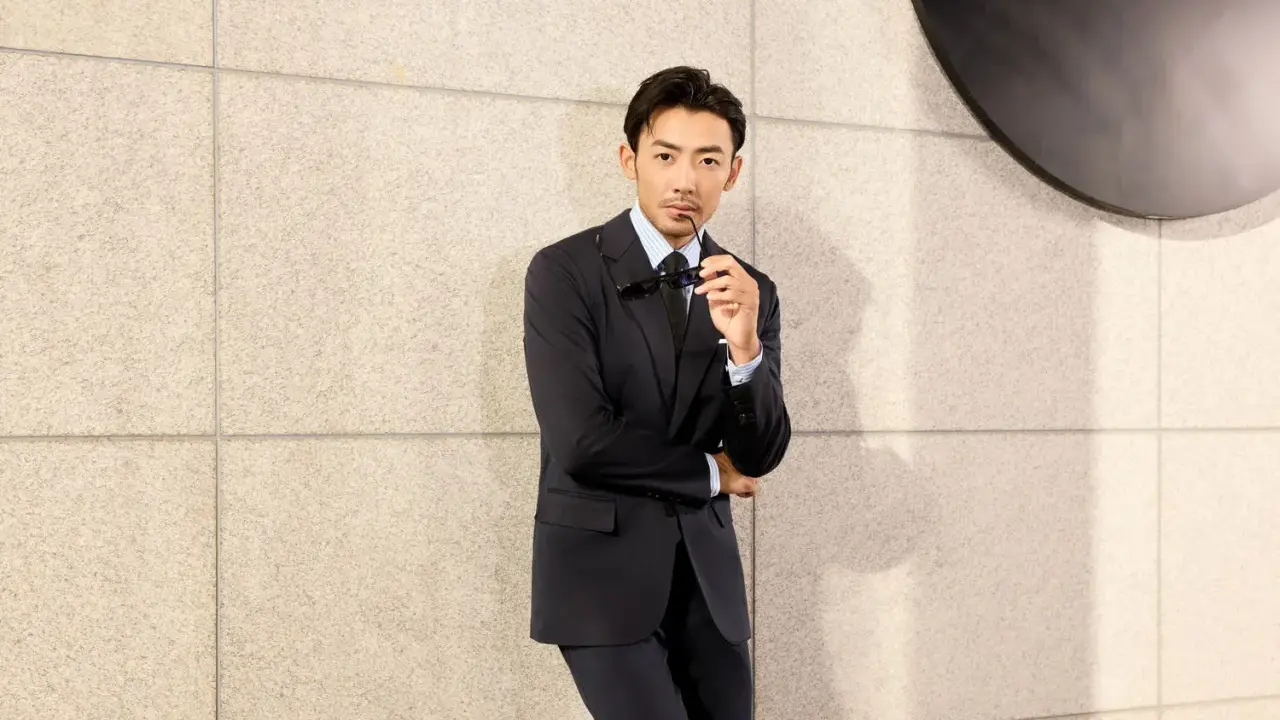
What makes this look work without going flat
- Texture is the difference-maker: matte, twill and wool surfaces create depth where plain shine does not.
- Fit matters more than usual: black shows sloppy shoulders, baggy sleeves and long hems very quickly.
- Accessories should stay restrained: black leather shoes, a slim watch and minimal jewellery keep the line clean.
- It is not black-tie clothing: for a formal black-tie invitation, a tuxedo and white shirt are still the right standard.
- It shines in the right setting: evening dinners, winter events and modern dress codes suit it better than conservative daytime wear.
Why the all-black pairing works when the textures do the talking
The strength of an all-black outfit is that it looks intentional at a glance. It creates a long, uninterrupted silhouette, which is why it can feel sharper than a safer navy or grey outfit when the tailoring is good. The problem is that black is unforgiving: if the shirt, suit and shoes all have the same sheen, the result can look less refined and more like a uniform.
I usually think of this look as a balancing act between depth and control. The suit should read as structured, the shirt as clean but not glossy, and the shoes as polished without stealing attention. That is also why the combination often works better in the evening than in daylight: low light softens hard contrast and makes subtle texture easier to appreciate.
GQ gets this point right when it talks about black-on-black dressing as a matter of texture and sheen rather than colour alone. Once you understand that, the outfit stops being a gimmick and starts behaving like proper formalwear. That leads straight into the shirt, because the shirt is where this look either gains depth or loses it.
Choose a shirt fabric that creates contrast, not just darkness
The shirt is the part most people underestimate. A black shirt can be elegant, but only if the fabric gives the eye something to register. Matte cotton, fine twill and lightly brushed weaves tend to work far better than glossy satin in most real-life settings, because they keep the outfit from looking stagey.
| Shirt fabric | Visual effect | Best use | Main risk |
|---|---|---|---|
| Matte cotton poplin | Clean, crisp and understated | Office-to-evening dressing, dinners, modern wedding guest looks | Can feel too plain if the suit is also flat and smooth |
| Fine twill or dobby | More depth under light, slightly richer surface | Evening events, winter tailoring, dressier city looks | Too much texture can fight with a patterned suit |
| Satin or silk-blend | High sheen, very dramatic | Fashion-forward evenings, formal parties, editorial styling | Can look theatrical fast if the suit is not equally refined |
The collar matters too. I would usually choose a clean spread or semi-spread collar, because it gives the face shape and keeps the shirt looking deliberate. A button-down collar tends to weaken the formality here, and a tiny point collar can make the outfit feel dated unless the rest of the tailoring is very sharp. Once the shirt surface is right, the fit of the suit has to be equally disciplined.
Fit and tailoring matter more here than in most outfits
Black is a brutally honest colour. It hides less than people expect, especially around the shoulders, chest and trouser line. If the jacket pulls across the button, the trousers puddle at the shoe, or the sleeves are too long, the outfit stops looking sleek and starts looking tired.
My rule is simple: keep the jacket clean through the shoulder, keep the waist shaped but not tight, and keep the trouser leg lean enough to preserve the vertical line. A slight taper usually looks best. You do not need a razor-thin cut, but you do need the silhouette to feel deliberate.
- Jacket shoulders should sit naturally, not extend past your frame.
- The shirt should skim the body, not cling to it.
- Trousers should break minimally, because heavy pooling makes black look weighty.
- Sleeves and cuffs should show a little shirt cuff, which keeps the outfit from looking blunt.
One useful detail: a slightly more structured wool suit gives this look better shape than a very soft, drapey one. The sharper the line, the less the outfit relies on accessories to rescue it. That naturally brings us to shoes, because the wrong pair can undo the whole effect.
Shoes, belts and watches should stay quieter than the suit
With an all-black outfit, the accessories should support the silhouette rather than compete with it. Black calf leather Oxfords are the safest choice for formal settings, because they keep the line sleek and respect the formality of the suit. Black derbies feel a little less rigid and can work well for dinners or smart evening events. Black suede Chelsea boots can be excellent in winter, especially if the suit has a slightly modern cut.
I would generally avoid brown shoes here. They can work with many black suits in theory, but in practice they tend to break the discipline of the look unless you are deliberately moving the outfit in a more casual direction. Patent leather is also a judgement call: it can look excellent for a dressy occasion, but it can easily tip the outfit into dinner-jacket territory if the rest of the clothes are not equally formal.
The same principle applies to belts and watches. If your trousers have side adjusters, I would skip the belt entirely. If you do need one, keep it matte and match it closely to the shoes. For a watch, a slim case with a black leather strap or a restrained steel bracelet works best. A bulky sports watch distracts from the clean vertical line, and that is exactly the line you want to protect in this outfit.
When to wear it in the UK and when to leave it out
In the UK, this look makes the most sense for evening settings, winter events and situations where the dress code is polished but not strictly traditional. I would happily wear it to a smart dinner, a gallery opening, a theatre night, a cocktail reception or a modern wedding guest look where the couple has signalled a fashion-forward brief.
Where I would be careful is with formal invitations that specifically say black tie. GQ is clear on this point: black tie still means a tuxedo, a white shirt and a bow tie, not a regular suit and dark shirt. That distinction matters because the black shirt changes the tone from ceremonial to contemporary. It can be stylish, but it is not the same code.
Mr Porter also treats black suits as best for formal and eveningwear rather than everyday office wear, and that is the right instinct. In conservative business settings, a black shirt can feel too severe or too fashion-led. In creative industries, nightlife settings and winter dressing, it often looks exactly right. The question is not whether the colour combination is acceptable in the abstract; it is whether the setting wants that level of intensity. Once the occasion is right, the next step is choosing the version that looks deliberate rather than overworked.
Three outfit formulas I would actually use
If I were building this look from scratch, I would keep the formula simple and let texture do most of the work. These three combinations cover the situations I see most often:
| Outfit formula | Best for | Why it works | What to avoid |
|---|---|---|---|
| Black wool suit, matte black shirt, black Oxfords | Formal dinners, winter events, smart evening occasions | Cleanest and most classic version, with enough contrast in surface to stay sharp | Shiny ties, loud pocket squares and bulky watches |
| Black suit with subtle texture, black twill shirt, black loafers | Cocktail receptions, gallery openings, fashion-led events | The texture gives the outfit depth without adding colour | Over-accessorising or adding another glossy surface |
| Single-breasted black suit, black shirt, black Chelsea boots | City dinners, winter dates, creative dress codes | Feels modern and slightly sharper than a standard corporate suit | Wide trousers, shiny fabric and heavy belts |
I usually leave the tie off in all three versions. Once you add a dark tie, the outfit can start to feel overly rigid unless the event is very formal and the shirt has enough weave or texture to keep the layers distinct. If you want one small point of personality, make it the shoes or the watch, not both. That restraint is what keeps the outfit looking controlled.
The few adjustments that keep the look expensive
When this outfit works, it works because every piece is doing a different job. The suit gives structure, the shirt softens the darkness, and the accessories keep the line clean. If those three things are in place, you do not need colour to make the outfit interesting.
My practical rule is simple: if you can see the difference between cloths, the look will feel deliberate. If everything reflects light in the same way, it will feel flat. That is the real test with this kind of dressing, and it is why texture matters more here than trend.
If the occasion is formal enough for a tuxedo, wear the tuxedo. If it is not, this is one of the strongest modern alternatives you can choose, especially when you want black tailoring to feel sharp rather than severe.