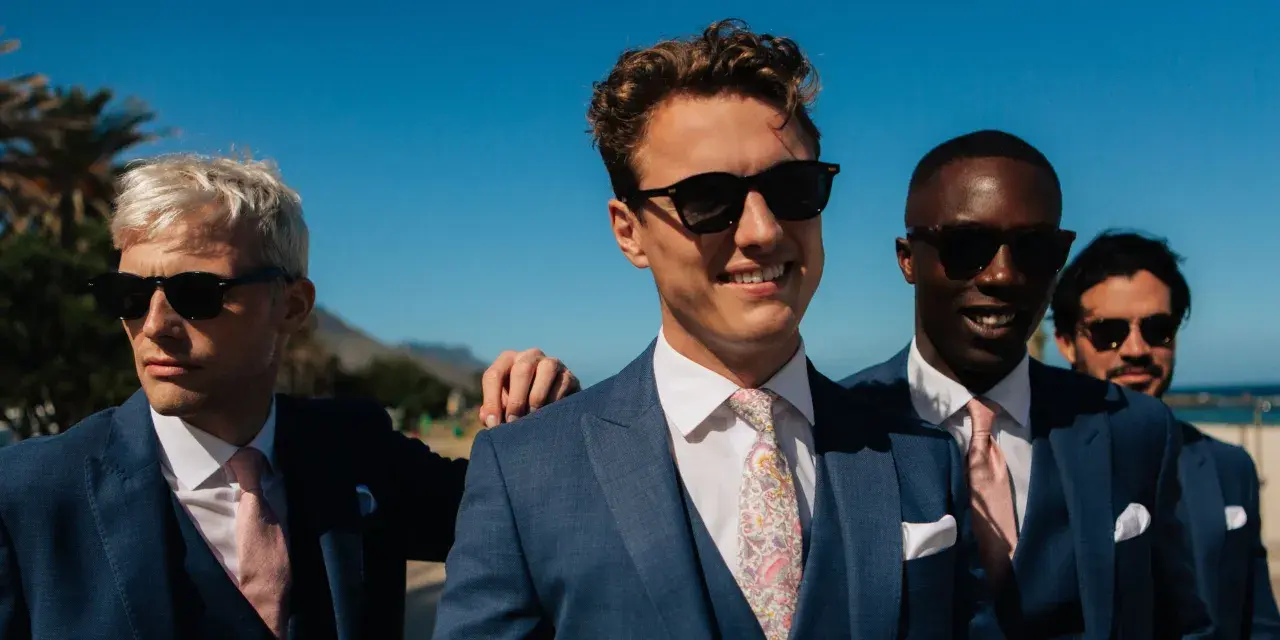
A polished event outfit is less about being loud and more about looking deliberate. A dress to impress dress code is usually a prompt to wear tailored clothes, clean lines, and a level of formality that suits the room, whether that means cocktail tailoring, smart separates, or proper black tie. In the UK, the safest way to handle it is to read the invitation first, then build a look that feels refined rather than theatrical.
What matters most before you get dressed
- Start with the event, not with the most expensive piece in your wardrobe.
- For most UK occasions, a suit or sharply styled separates are safer than casual tailoring.
- Fit, fabric, and shoe condition will do more for you than visible branding.
- Black tie means a dinner suit; cocktail attire usually means a suit; smart casual still needs structure.
- If the brief is vague, I would always rather be a little sharper than slightly underdone.
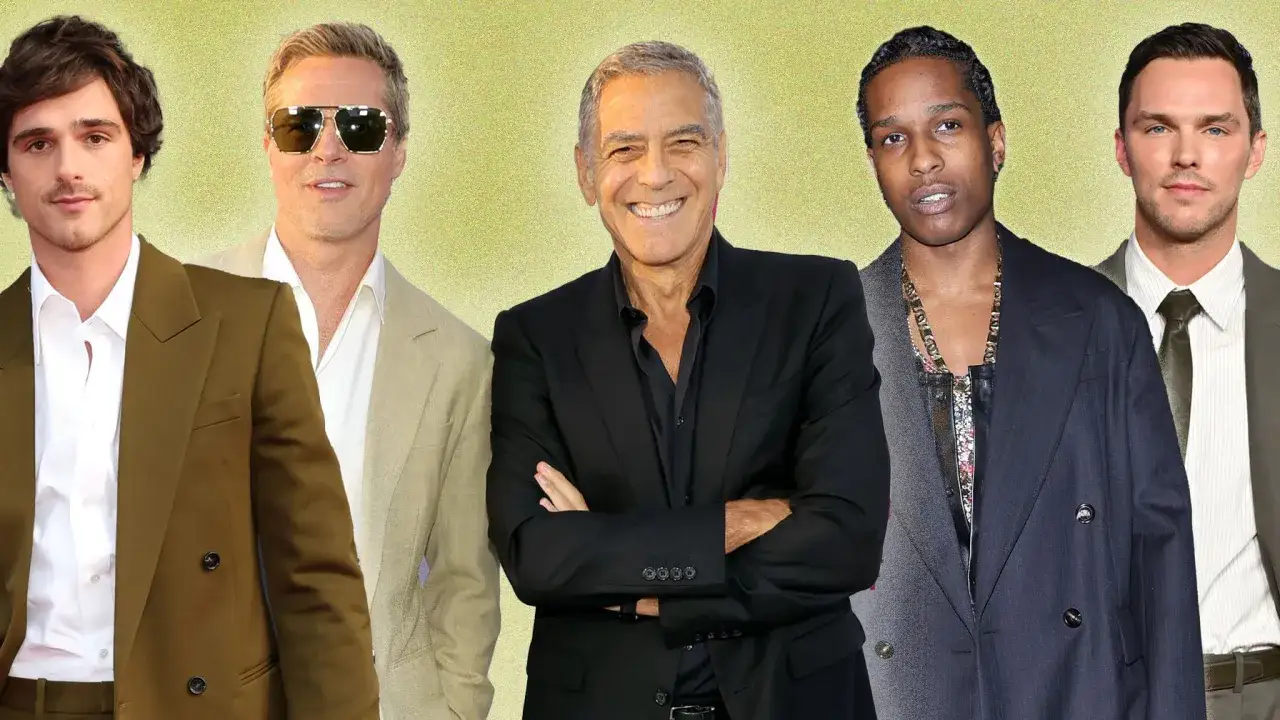
How to decode the invitation without guessing
The phrase on the invite tells you more than people often think. I treat dress codes as a language of formality: some are there to keep everyone aligned, some are there to signal prestige, and some are simply a polite way of saying, “please make an effort.”
In practice, the fastest way to avoid a mistake is to translate the wording into a silhouette, then check it against the venue and time of day. Evening events usually tolerate more formality; daytime events usually reward restraint and clarity. If the wording is vague, I default to the neatest version of the most likely dress code rather than gambling on something clever.| Invitation wording | How I read it | Safe men’s outfit | What I would avoid |
|---|---|---|---|
| Dress to impress | Usually cocktail or semi-formal unless the host says otherwise | Navy or charcoal suit, white or pale shirt, polished leather shoes | Jeans, trainers, novelty accessories, anything that looks casual by accident |
| Smart casual | Relaxed, but still intentional | Blazer, tailored trousers or dark chinos, knit polo or shirt, loafers | Sportswear, cargo trousers, loud graphics, scuffed shoes |
| Cocktail attire | Suit-based, sharper than business wear, less rigid than black tie | Dark or tonal suit, crisp shirt, tie optional depending on the event | Jeans, gym-style sneakers, overly relaxed jackets |
| Black tie | Formal evening wear | Dinner suit, white shirt, bow tie, formal black shoes | Regular business suit, brown shoes, casual knitwear |
| Morning dress | Traditional formal daytime wear, still seen at some UK weddings and ceremonies | Morning coat, waistcoat, striped trousers, formal shirt, tie | A lounge suit if the invitation is explicitly formal daytime |
That table covers the most common interpretation errors I see. Once you can name the dress code, the next step is choosing an outfit formula that reliably works.
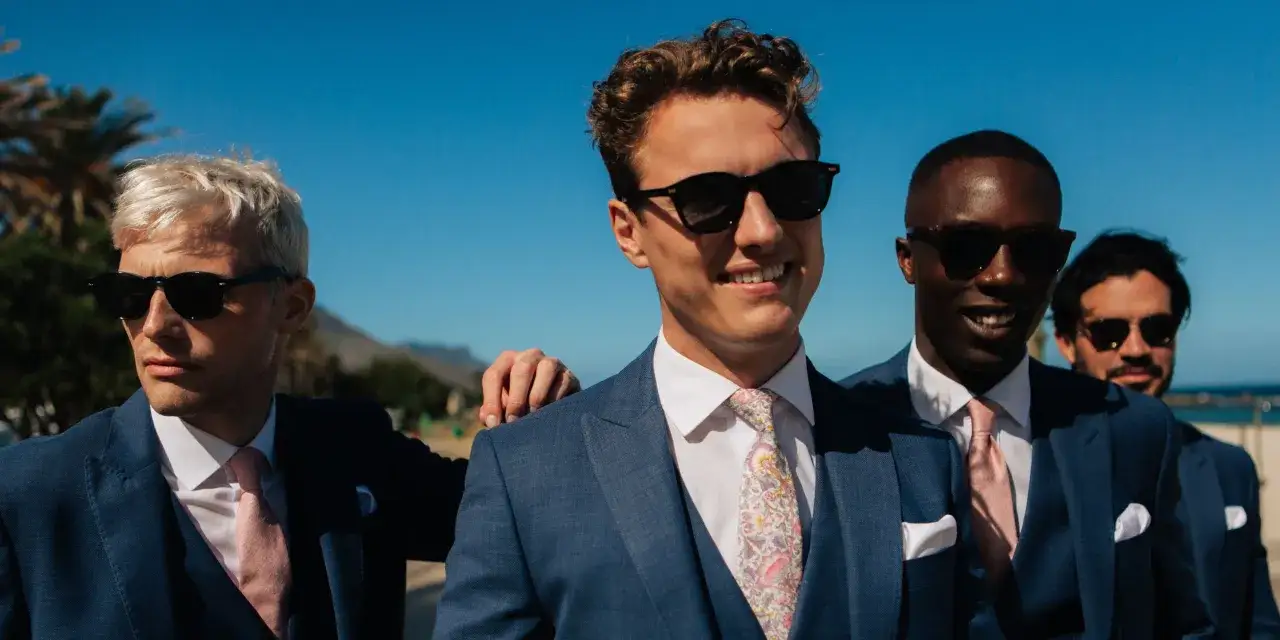
The safest outfit formulas for men
When someone wants to make a strong impression, I prefer a formula that is simple enough to wear confidently and structured enough to look intentional. The best outfits are rarely complicated; they are just balanced.
- Charcoal suit, white shirt, black Oxford shoes. This is the most versatile “serious but not stiff” option. It works for dinners, receptions, networking events, and most wedding invites that do not explicitly say black tie.
- Navy suit, pale blue or white shirt, burgundy or navy tie. This feels slightly warmer and more modern than charcoal. I like it for daytime weddings, city events, and occasions where you want polish without severity.
- Dark blazer, grey trousers, crisp shirt, loafers. This is the safest route when the event sits between smart casual and cocktail. It looks considered without pretending to be a formal suit.
- Dinner suit, white shirt, black bow tie, black formal shoes. If the invite says black tie, do not improvise. This is the cleanest answer and still the most correct one.
For UK weddings, I would usually lean navy or charcoal rather than black in daylight. Black can work, but it can also feel slightly funereal if the setting is not genuinely formal. If the event is in the evening, or if the invite explicitly pushes formality, a darker palette becomes much more natural.
The real trick is to let the event lead the silhouette. Once that is settled, the cloth, cut, and finishing details start doing the heavy lifting.
Fit and fabric do more work than decoration
Most men underestimate how much a good fit changes the entire impression. A well-cut mid-range suit will usually beat an expensive suit that pulls at the chest, collapses at the shoulders, or pools around the shoes. I would rather see a simple navy suit that sits correctly than a complicated one that clearly does not.
If I were budgeting for a strong impression in the UK, I would think in ranges rather than fantasy-price headlines. A decent ready-to-wear suit often lands around £250 to £700. Better off-the-rack or made-to-measure territory tends to start around £700 and can move past £1,500. Alterations usually add another £40 to £120, and that money is often more valuable than buying a bigger logo.
| Item | Practical UK budget | Why it matters |
|---|---|---|
| Suit | £250-700 for solid ready-to-wear | Defines the overall silhouette and formality |
| Better tailoring | £700-1,500+ | Usually improves drape, balance, and cloth choice |
| Alterations | £40-120 | Fixes sleeves, hems, waist suppression, and proportions |
| Dress shirt | £40-120 | Collar shape and cuff quality are visible all night |
| Leather shoes | £120-350 | One of the clearest signals of care and maturity |
Fabric matters almost as much as fit. Worsted wool is the easiest all-rounder because it drapes well and handles UK weather better than most people expect. Hopsack works beautifully for warmer months because it breathes and keeps shape. Flannel feels right for autumn and winter. Linen can look superb, but only if you are comfortable with creasing and only when the event is relaxed enough to permit it.
I would avoid shiny synthetic cloth if the goal is a sharp impression. It often reflects light badly, creases in awkward places, and looks more rented than refined. The next layer is finishing the outfit with accessories that support the look instead of competing with it.
Accessories should sharpen the look, not steal it
Accessories are where many otherwise good outfits go wrong. Too little, and the outfit can feel unfinished. Too much, and it starts looking like you are trying to sell yourself as a concept rather than simply dressing well.
The smartest rule is to let one accessory lead and let the rest stay quiet. If the watch is the point, the tie should be understated. If the tie has texture, the pocket square should be subtle. If the shoes are doing the talking, everything else should step back.
- Shoes: Black Oxfords are the safest formal option. Dark Derbies can work for slightly softer tailoring. Loafers are fine for smart casual and some cocktail settings, but not for anything that is clearly formal.
- Watch: A slim dress watch around 36-40 mm usually sits best with tailoring. I prefer a simple dial and either leather or a discreet metal bracelet. A large sports watch can drag the outfit down unless the whole brief is genuinely relaxed.
- Belt: Match it to the shoe colour as closely as possible. That old rule still works because it keeps the lower half visually calm.
- Tie: Use it to add texture or colour, not noise. Silk grenadine, repp stripes, or a clean solid tone will usually look more grown-up than a novelty pattern.
- Pocket square: Good when it adds balance, unnecessary when it feels forced. A white linen square is the cleanest default.
If you want one small change that makes a large difference, I would choose the shoes first and the watch second. People notice those details faster than they admit, especially in a room full of tailoring. What they notice next is the list of mistakes that quietly undo the effort.
The mistakes that make smart dressing look try-hard
The most common failure is not underdressing; it is misjudging the tone. A man can spend good money and still look wrong if the outfit is louder than the event. I see that most often when people confuse “dress to impress” with “dress to be remembered for all the wrong reasons.”- Wearing the right category in the wrong quality. A suit that fits badly will always look cheaper than it was.
- Choosing a black suit by default. It can be correct, but it is not always the most flattering or the most social choice, especially for daytime weddings.
- Using jeans as a shortcut. Even the smartest dark jeans usually read as a compromise, not a solution, unless the invite is clearly casual.
- Over-accessorising. Multiple loud elements compete with one another and weaken the impression.
- Ignoring shoe condition. Scuffed leather or worn-down soles can sink the whole outfit.
- Confusing personality with novelty. Bold colour is fine when the setting allows it. Novelty rarely looks elegant under pressure.
There is also a timing mistake worth calling out. A tuxedo at a relaxed early-afternoon wedding can look pompous. A blazer at a black-tie dinner can look careless. The more formal the event, the more useful it becomes to be exact rather than imaginative. That is especially true in the UK, where weddings, dinners, and evening events often sit just one notch apart in formality.
UK occasions ask for different levels of formality
British events can be awkward because the same phrase does not always mean the same thing in different settings. A country wedding, a London gallery opening, a charity dinner, and a winter reception can all deserve a different version of “smart.” I usually anchor the outfit to three things: venue, time of day, and the host’s likely expectations.
For a city wedding, a navy or charcoal suit with a crisp shirt and polished black shoes is rarely wrong. For a country wedding, a slightly softer cloth, a lighter shirt, and a less severe tie often feel better, especially if the event is daytime and the dress code is not strict. For an evening dinner or formal celebration, deeper colours and cleaner lines do more work than decoration.
- City wedding: Navy or charcoal suit, white shirt, tie, black leather shoes.
- Country wedding: Mid-grey or textured navy suit, pale shirt, subtle tie, brown or burgundy leather shoes if the outfit allows it.
- Formal dinner: Dark suit, polished shoes, restrained accessories, and a tie that does not distract.
- Black-tie event: Dinner suit, not a business suit trying to impersonate one.
- Morning dress invitation: Treat it literally. That is not the moment for improvisation.
If you are ever in doubt, I would move one level more formal rather than one level less. People forgive a slightly sharper guest more easily than they forgive someone who looks as if they did not read the room. The simplest way to avoid that problem is to use one final rule before you head out.
The rule I use when the brief is vague
When an invitation gives me too little to work with, I apply a simple test: I choose the outfit that looks most appropriate at the venue’s front door, not the one that looks clever in a mirror. That usually means clean tailoring, a proper shirt collar, polished shoes, and a single controlled detail that shows intent.
If the event is still unclear, I ask myself one question: would this outfit look confident if I walked into a room of well-dressed men who know the difference between effort and overeffort? If the answer is yes, I am usually close. If the answer is maybe, I simplify. If the answer is no, I start again from the shoes and the suit rather than from accessories or trend pieces.
That is the real logic behind a strong impression. Keep the silhouette clean, the fit honest, and the details disciplined, and the outfit will do exactly what it should: make you look like the person who understood the assignment before anyone else did.