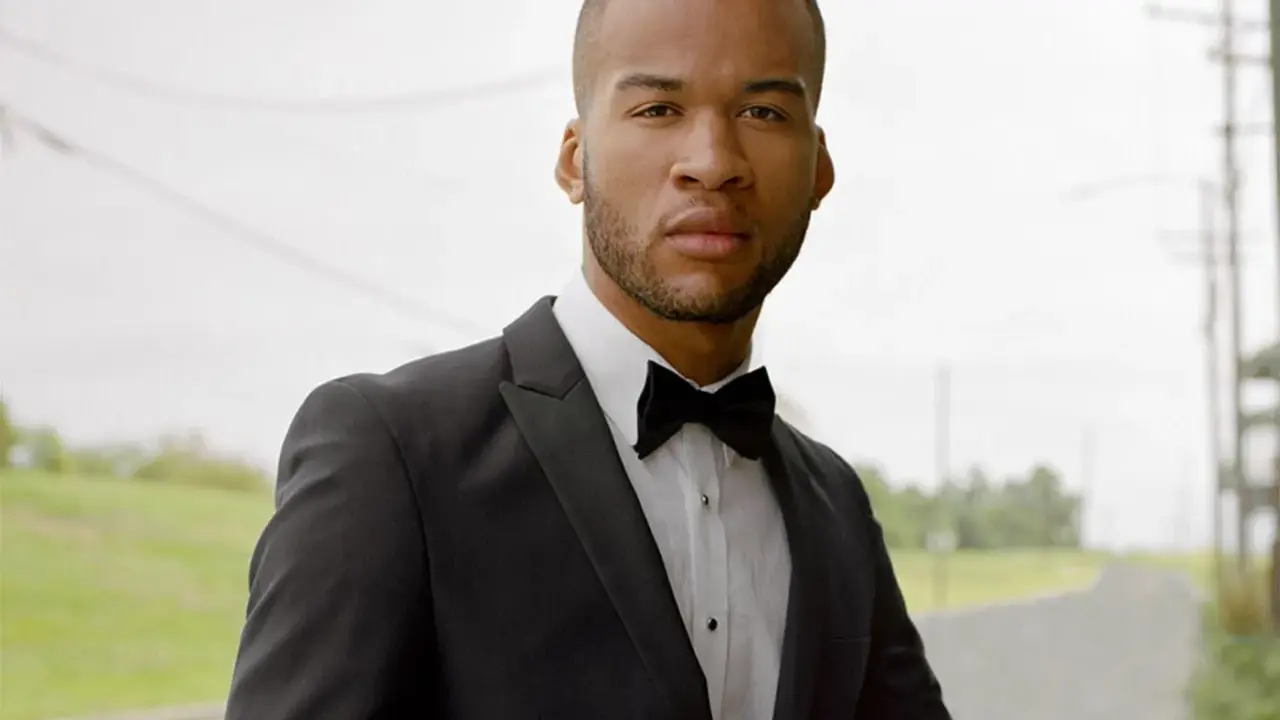
Formal evening weddings reward guests who respect the dress code instead of negotiating with it. At black tie weddings, the aim is not to look loud or trend-led; it is to look composed, sharply tailored, and appropriate for an evening setting. I’m covering what the code really means, how to build the outfit, what it costs in the UK, and the mistakes that make the whole thing look off.
What matters most when the invitation says black tie
- Men should default to a dinner suit, not a business suit.
- Black or midnight blue both work; the shirt should stay white and formal.
- Floor-length evening wear or a very formal pantsuit is the safest read for women.
- “Black tie optional” is more forgiving, but black tie itself is not.
- Hire if this is a one-off event; buy if you expect to wear formal kit regularly.
- Fit and fabric matter more than expensive extras or fashion tricks.
What black tie means at a wedding
Black tie is the formal evening dress code, and on a wedding invitation it should be read literally. Debrett's still describes it as dinner jacket territory: a black or midnight-blue jacket, a white formal shirt, a bow tie, and polished black shoes. In British terms, I prefer the phrase dinner suit, because it keeps the focus on the structure of the outfit rather than the American word tuxedo.
The important distinction is this: a dark business suit can be elegant, but it is not the same thing. If the couple has written "black tie", they are asking for something more deliberate than office tailoring. If they have written "black tie optional", the dress code softens; if it says black tie without qualification, I would not downgrade it.| Dress code | What it usually means | My safest response |
|---|---|---|
| Black tie | Dinner suit, bow tie, formal shirt, black shoes | Wear the full dinner suit, properly tailored |
| Black tie optional | Tuxedo preferred, dark suit acceptable | Wear a tuxedo if you own one; otherwise a dark suit with a conservative tie |
| Lounge suit | Smart business-style suit and tie | Do not overdo formal evening wear unless the venue clearly calls for it |
| Cocktail | Smart, polished, but less rigid than black tie | Keep it elegant and restrained, not evening-dress formal |
Once that distinction is clear, the rest of the outfit becomes much easier to decide.
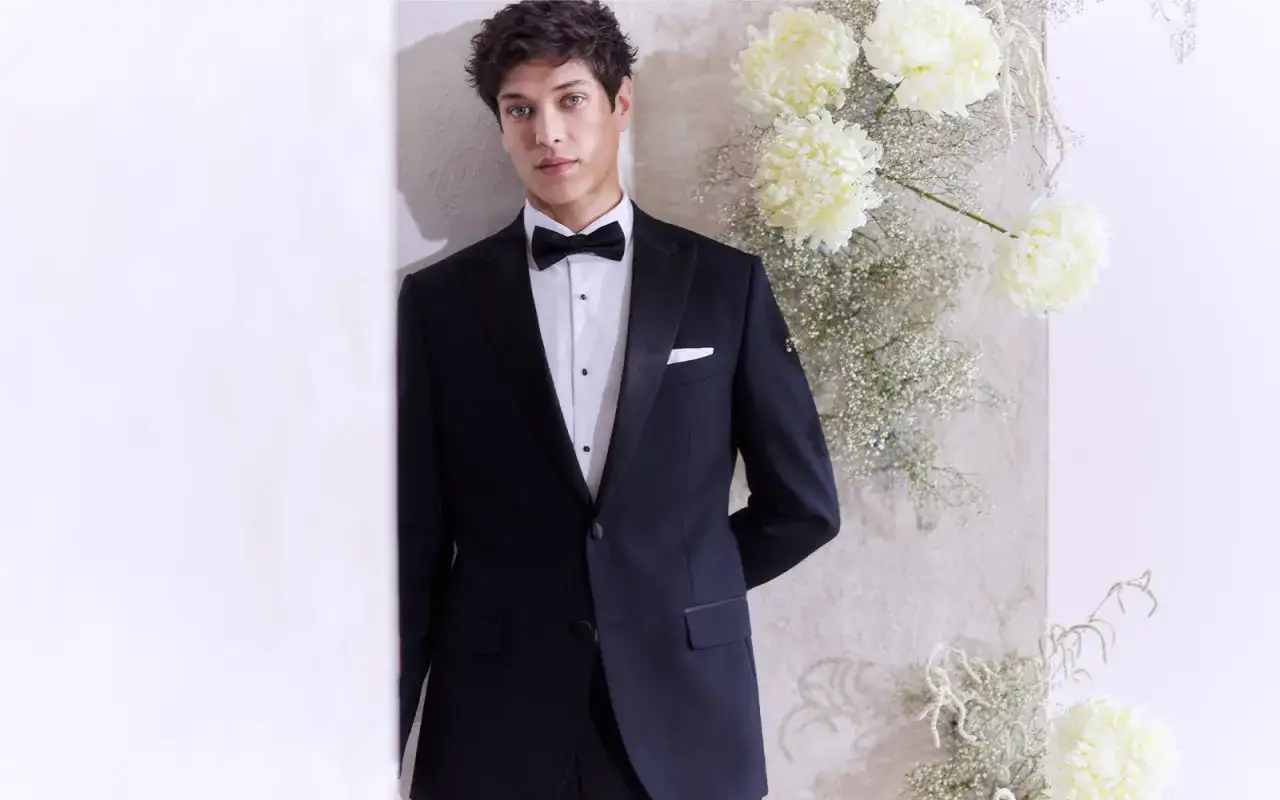
The dinner suit formula that gets the brief right
The safest black-tie outfit is also the most restrained one. I would build it around a single-breasted dinner jacket in black or midnight blue, matching trousers with a silk stripe, a white evening shirt, a black bow tie, and black formal shoes. British GQ is right that midnight blue can read darker than black in evening light, so if you want a subtle point of difference, that is the version I would trust first.
- Jacket. Peak lapels or a shawl collar are the cleanest options. One button is standard, and the jacket should look clean at the front rather than busy. No flashy stitching, no patch pockets, and, if possible, no vents.
- Trousers. Match the jacket cloth and keep them uncuffed. A satin or grosgrain stripe down the outer seam keeps the look consistent, while braces help the trousers hang properly through a long evening.
- Shirt. Go white, formal, and crisp. French cuffs, cufflinks, and a proper formal front make more difference than most men expect. A soft turn-down collar is usually easier to wear than a stiff wing collar.
- Bow tie. Black, ideally tied by hand. A pre-tied bow tie is technically neat, but it rarely has the same shape or confidence.
- Shoes. Black patent leather Oxfords are the safest choice. Highly polished plain Oxfords can work, but brown shoes, suede, or chunky soles break the line immediately.
- Extras. Keep them limited: a white pocket square, understated cufflinks, and, if you wear a watch, a slim dress watch on leather. This is not the moment for a sport watch or oversized chronograph.
If you like a slightly more traditional finish, add a low-cut waistcoat or a cummerbund, but do not wear both. That is the point where classic formalwear starts turning into costume.
Hire or buy and what it costs in the UK
If you only need the outfit once, hire is usually the cleanest answer. In the UK, black-tie hire commonly sits around £90 to £135, while a ready-to-wear dinner suit from a decent formalwear label can be about £499 before shirt, shoes, and any tailoring. Once you add those pieces, buying can easily move into the £650 to £900 range, so the decision is less about pride and more about how often you will actually wear it.
| Option | Typical spend | Best for | Trade-off |
|---|---|---|---|
| Hire | About £90 to £135 | One-off weddings and occasional formal events | Less personalisation, but easy and cost-controlled |
| Buy | About £499+ for the jacket and trousers, more with shirt and shoes | Regular formal invitations and a better long-term wardrobe | Needs tailoring and a bigger upfront spend |
My rule is simple: if you expect to wear the outfit at least three times, buying starts to make sense. If not, hire keeps the risk low and frees you to spend on the shirt and shoes, where people actually notice the difference.
The mistakes that immediately weaken the look
- Wearing a business suit. A dark suit may be elegant, but it does not read as black tie. If the couple asked for a dinner suit, the difference will be obvious.
- Using a necktie instead of a bow tie. The silhouette changes completely. In a true black tie setting, a regular tie usually looks like a compromise rather than a choice.
- Choosing the wrong shoes. Brown leather, suede, loafers with heavy soles, or anything with visible bulk pulls the outfit away from evening formality.
- Over-accessorising. Loud pocket squares, novelty cufflinks, bright socks, and shiny fashion jewellery all compete with the clothes.
- Ignoring fit. Sleeves that swallow the shirt cuff or trousers that break heavily at the shoe make even expensive tailoring look careless.
- Turning black tie into a style experiment. Velvet, colour, or double-breasted cuts can work, but only when the invitation already feels fashion-forward.
The real test is simple: if the outfit looks like it could have been worn to a board meeting, it is probably not formal enough; if it looks like it is trying too hard, it has gone too far the other way.
How to adjust for season, venue and the rest of the room
Season changes the cloth, not the standard. For a summer marquee or a warm city venue, I would look for lightweight wool or wool-mohair and keep the tailoring sharp rather than relaxed; for winter, a denser cloth, a proper overcoat, and polished shoes feel more natural. The wedding setting matters too: a country house can carry a slightly softer texture, while a hotel ballroom or private members' room usually rewards a cleaner, more traditional line.- Summer. Keep the jacket breathable, the shirt crisp, and the colours disciplined. Midnight blue is a good option if you want depth without flash.
- Winter. Heavier wool, a dark overcoat, and a clean scarf are more useful than decorative layers. Velvet can work, but only when the invitation already suggests a richer mood.
- Venue. Marquees, historic houses, and city hotels all support black tie, but the amount of formality in the room should guide how traditional you go.
- Partnering with someone else. For women, the safest equivalent is floor-length evening wear or a very formal pantsuit; I would avoid casual midi lengths unless the couple has clearly relaxed the rule.
When the setting is doing part of the work, the smartest thing you can do is avoid fighting it with unnecessary detail. That leaves the outfit calm, which is exactly what black tie is supposed to look like.
The pieces I would keep ready for the next formal invitation
If I were building a small formal wardrobe from scratch, I would start with five things: one excellent dinner suit in black or midnight blue, a white evening shirt with French cuffs, a pair of patent or highly polished black Oxfords, a black silk bow tie, and a slim dress watch that can disappear under a cuff. Those pieces solve most formal invitations without drama, and each one earns its place quickly if you attend weddings, charity dinners, or evening receptions more than once a year.
- Invest first in fit. A well-cut jacket and properly hemmed trousers matter more than a logo or a fashion label.
- Buy the shirt you will actually rewear. A good white evening shirt works across multiple events, so it should feel comfortable for a long dinner and late dancing.
- Choose shoes that can be maintained. Patent is classic, but a good polished Oxford can be more versatile if your formal calendar is mixed.
- Keep one conservative bow tie ready. Black silk is hard to beat, and it saves you from scrambling before the event.
For guests who will only need the look once, hiring still makes sense. For anyone building a long-term wardrobe, the real win is owning pieces that make the next invitation easy instead of stressful.