What matters most when a wedding calls for black tie
- Think dinner suit, not business suit. Black tie is a formal evening code, and the outfit should read that way immediately.
- For men, the safest formula is simple. Black or midnight blue jacket, matching trousers, white shirt, black bow tie, and polished black shoes.
- Fit matters more than flash. Clean shoulders, the right sleeve length, and trousers that sit properly will do more than expensive fabric alone.
- Hire is practical for one-off events. Buying makes sense only if you will wear the outfit again.
- Accessories should be quiet. A white pocket square, cufflinks, and a slim dress watch are enough.
- Avoid anything that looks like officewear. Ordinary ties, brown shoes, and shiny novelty details weaken the whole look.
What this dress code actually means at a wedding
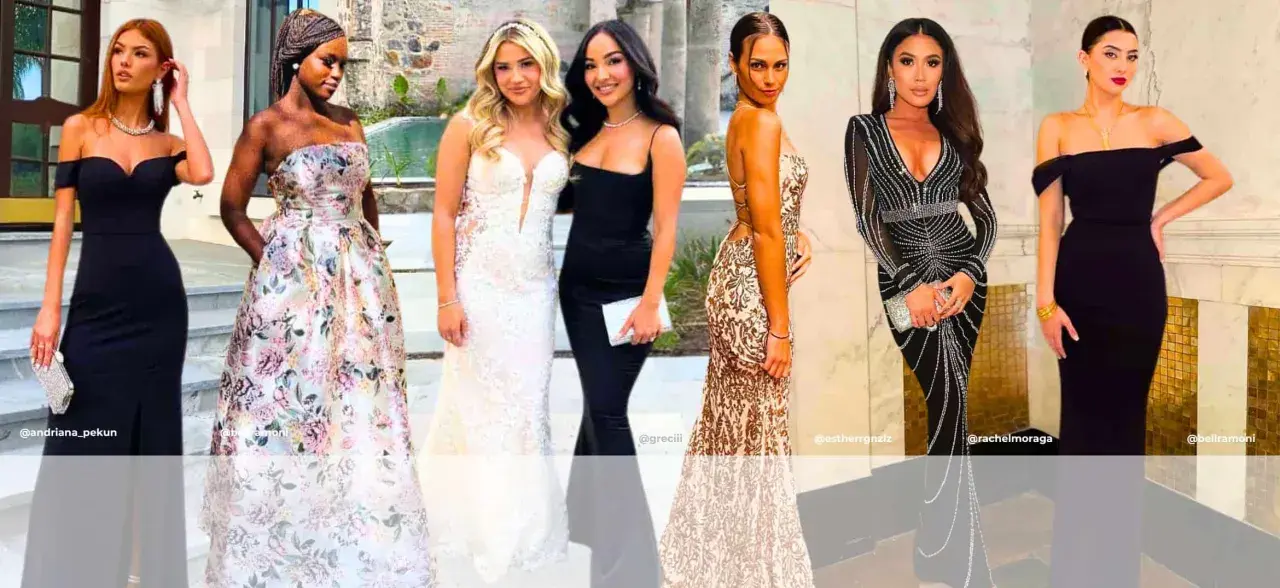
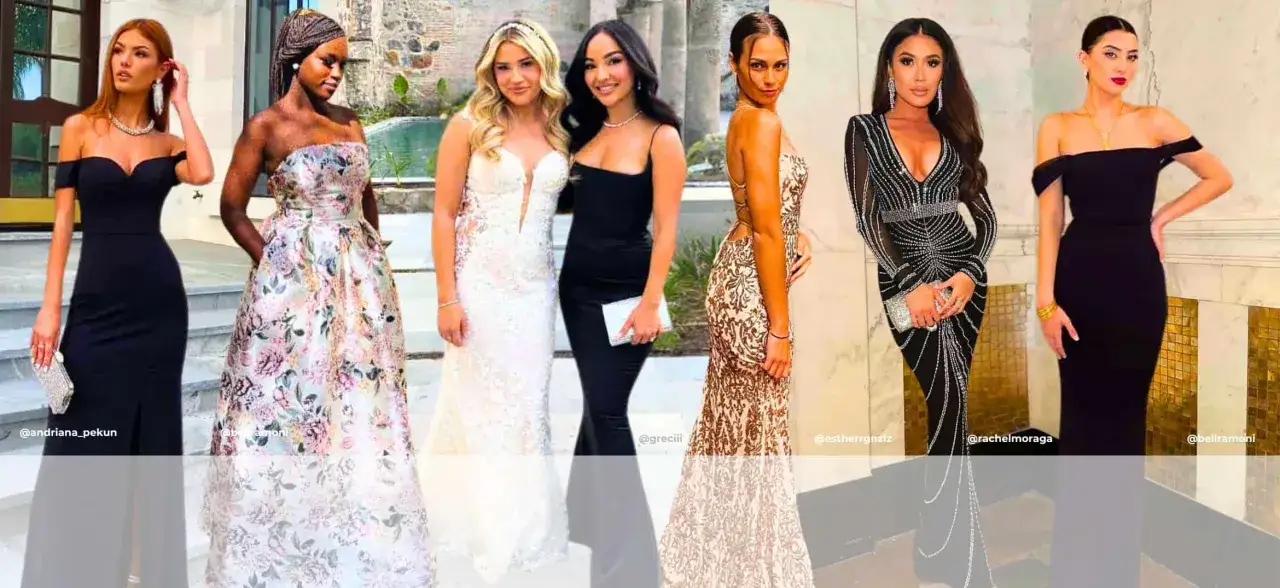
In UK etiquette, I read black tie as formal evening wear first and fashion second. Debrett's still treats it that way, which is useful because it keeps the code anchored to something concrete: the host is asking for a dinner suit, not an ordinary suit dressed up with a bow tie. For women, the parallel expectation is usually a floor-length or otherwise formal evening look; for men, the standards are more specific and less forgiving.
| Invitation wording | How I read it | What it means in practice |
|---|---|---|
| Black tie | Strict formal evening dress | Dinner suit, bow tie, formal shirt, black shoes |
| Black tie optional | Formal, with a little flexibility | A tuxedo is still safest; a dark suit may pass if the event is clearly less rigid |
| Formal | Dressy, but not necessarily dinner-suit level | Tailored suit and tie, not automatically black tie |
| Evening dress | Time matters as much as formality | The look should feel polished enough for night, even if the wording is less exact |
The most common mistake is assuming that a black suit is automatically black tie. It usually is not. The lapels, shirt, bow tie, and shoes are part of the code, not decorative extras, and that distinction is what gives the outfit its authority.
The dinner suit formula that rarely fails
A proper dinner suit has only a few moving parts, which is exactly why small mistakes stand out. I would keep the silhouette clean, the fabric matte or softly lustrous, and the overall effect unmistakably evening formal.
Jacket
Peak lapels and shawl lapels are the classic choices. Peak lapels feel sharper and more architectural; shawl lapels feel smoother and slightly softer. I would avoid notch lapels, because they read too much like a business suit and dilute the formality.
Shirt
Choose a white dress shirt. French cuffs work best if you are wearing cufflinks, and a turn-down collar is the safest modern option. A wing collar can work, but it pushes the look closer to old-school evening dress and is easier to get wrong if the rest of the outfit is not equally formal.
Trousers
They should match the jacket in cloth and finish, and they should not have a visible belt. Side adjusters or braces keep the waistline cleaner. If you want a cummerbund, remember that it is the silk waistband used to cover the trouser rise; I only recommend it with a single-breasted jacket.
Shoes
Black cap-toe Oxfords, highly polished calf leather, or plain patent shoes are the safest choices. Anything chunky, brogued, or obviously casual pulls the outfit down fast. In black tie, the shoe should disappear rather than compete.
If you want one subtle decision that still matters, choose between black and midnight blue. Midnight blue often looks deeper than black under evening light, which is why it has long been a favourite among people who know the code well. I would not use it as a gimmick, but it is a legitimate and elegant option.
Buying, hiring, or going made to measure
For a one-off wedding, I have no problem with hiring. It is the most sensible route when you want the right look without owning a dinner suit you may only wear a few times. If you expect repeat use, the numbers change quickly, and ownership starts to make more sense.
Moss Bros currently lists black-tie hire from roughly £90 to £135, which is perfectly reasonable for a single event. At the other end of the spectrum, a well-cut ready-to-wear dinner suit can land around the £600 to £1,000 mark, while made-to-measure and bespoke options climb further depending on cloth and construction. The right choice depends less on fashion and more on how often you will actually wear it.
| Option | Typical UK spend | Best for | Trade-off |
|---|---|---|---|
| Hire | £90-£135 | One-off guest, last-minute need | Less precise fit and less flexibility |
| Ready-to-wear | £600-£1,000 | Guests who will rewear the suit | May need tailoring to look right |
| Made-to-measure | £879-£1,800+ | Grooms and repeat formalwear wearers | Higher cost and longer lead time |
| Bespoke | £1,600-£6,000+ | A serious long-term investment | Time, cost, and commitment |
Accessories that complete the look without stealing focus
This is where many men either overdo it or underthink it. In black tie, accessories should refine the outfit, not become the outfit. I prefer to keep them restrained and useful.
- Bow tie. Black silk or grosgrain is the standard. A self-tie version looks best if you can tie it neatly, but a well-shaped pre-tied version is better than a sloppy self-tie.
- Pocket square. White linen, folded simply. I would not match it too closely to the bow tie or try to turn it into a statement.
- Cufflinks. Small silver or gold pieces are enough. This is one place where modestty reads as confidence.
- Watch. A slim dress watch on a black leather strap is the right move. A chunky diver, a brightly lit sports watch, or a large smartwatch tends to look out of place with a dinner suit.
- Outerwear. A black or charcoal overcoat works best in the UK. I would avoid puffer jackets and casual parkas, even if the venue is cold and practical.
- Braces. Better than a belt under a tuxedo trousers line, especially if you want the waist to sit cleanly.
If you care about watches, this is a good code to respect. A slim case, simple dial, and dark strap will always feel more expensive than a loud complication fighting for attention. The watch should support the outfit, not announce itself.
Black tie mistakes I see most often
I see the same errors again and again, and most of them come from trying to be clever. Black tie rewards restraint, so the safest-looking outfit is usually the smartest one.
- Wearing a black business suit instead of a dinner suit. A plain suit can be dark enough, but it still lacks the satin details and shape that make black tie read correctly.
- Using a long tie. If the invitation specifies black tie, the bow tie is not optional.
- Choosing brown shoes or bulky brogues. They look casual in evening light and break the formality immediately.
- Picking a black shirt. This is a common modern mistake, but it usually looks more nightclub than wedding.
- Over-accessorising. Loud pocket squares, novelty cufflinks, and patterned shirts turn a formal outfit into costume.
- Ignoring fit. The shoulder line, jacket length, and trouser break matter more than expensive fabric alone.
- Wearing a sports watch. A chunky case or metal bracelet often feels too technical for a dinner suit, no matter how good the watch is on its own.
The most useful discipline here is asking one question before you get dressed: does this detail make the outfit quieter and sharper, or does it pull attention away from the whole? If it is the latter, leave it out.
How I adjust the outfit for season, venue, and role
The dress code stays the same, but the context changes the cloth and the weight of the outfit. That is where good judgement matters. A black tie wedding in a city hotel is not the same as one in a country house or a summer marquee, even if the invitation uses the same wording.
| Situation | What I would wear | Why it works |
|---|---|---|
| City hotel or evening ballroom | Classic black dinner suit, white shirt, black bow tie, polished shoes | Most faithful reading of the code |
| Country house or marquee | Black or midnight blue dinner suit, slightly richer cloth, optional waistcoat | Balances formality with a setting that may feel softer |
| Summer or destination wedding | Lightweight wool, crisp shirt, minimal layers | Keeps the outfit breathable without drifting into resort wear |
| Groom | Same base outfit as guests, but with better cloth or a stronger lapel line | Gives presence without looking overdressed |
| Guest | Clean, classic, and restrained | Shows respect without competing with the couple |
I would only reach for velvet when the invitation, venue, and couple all point toward a more fashion-forward evening. It can look superb in the right room, especially in winter, but it is not the default answer and it can easily feel like too much if the rest of the event is traditional.
The version I’d choose for a wedding guest in the UK
If I were dressing for a black-tie wedding tomorrow, I would keep it brutally simple: a black or midnight blue dinner suit, a white turn-down collar shirt, a black bow tie, black polished shoes, a white pocket square, and a slim dress watch on a black leather strap. That combination works because nothing in it is competing for attention.
From there, I would spend my budget on fit before fabric and on tailoring before trend. If the invitation is vague, I would ask one direct question rather than guess, because the difference between formal evening wear and a dark-suit wedding is bigger than people think. When the proportions are right and the accessories stay quiet, the outfit looks expensive without trying too hard.