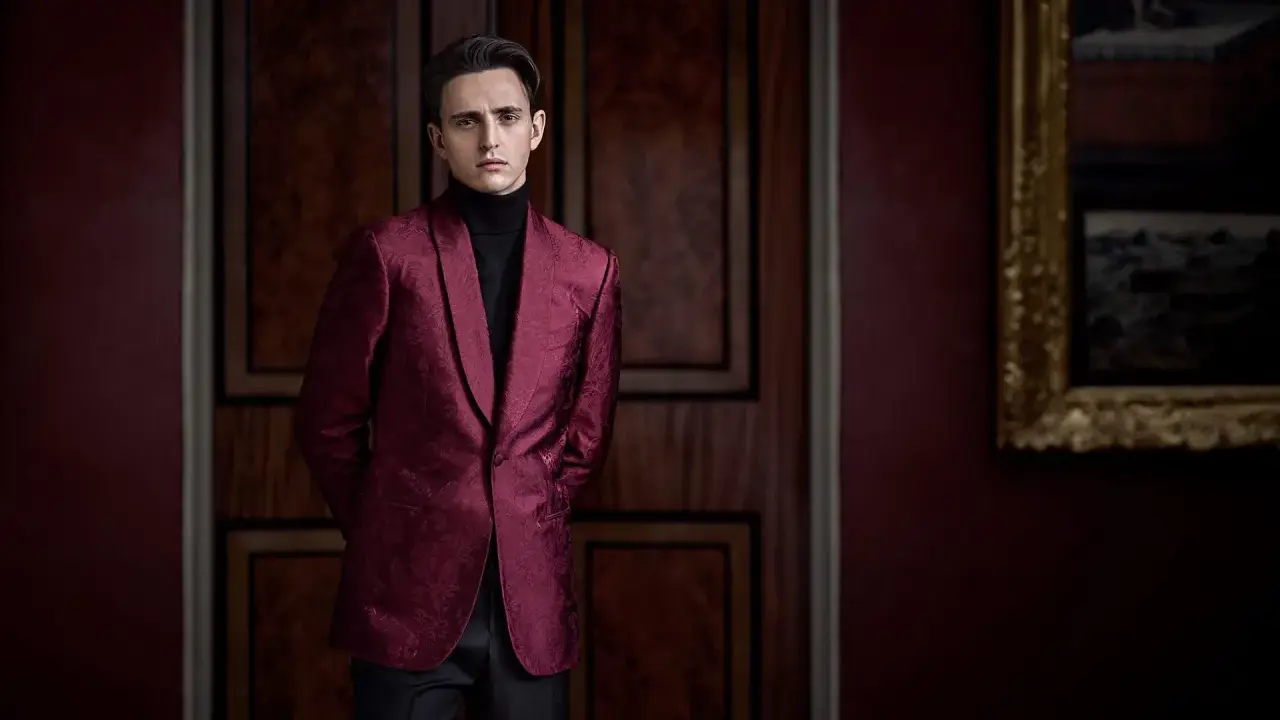
Getting cocktail party dressing right is about looking intentional: sharp enough for an evening reception, relaxed enough that you do not seem overdressed or corporate. In the UK, that often lands somewhere between a lounge suit and a dressed-up dinner look, which is why the safest answer is usually a tailored suit, a proper shirt, and shoes that can stand up to close inspection. I’m going to break down the dress code, show when separates make sense, and give you outfit formulas you can copy without overthinking it.
The quickest route to a sharp cocktail look
- A dark suit is the safest default, especially in navy, charcoal, or deep brown.
- Separates work only when the event feels deliberately relaxed; otherwise, a full suit is cleaner.
- Texture matters more than flash: wool, flannel, and hopsack usually look better than shiny fabric.
- Leather dress shoes are non-negotiable; trainers and overly casual loafers weaken the whole outfit.
- Fit beats price: a well-altered mid-range suit will usually outperform an expensive one that sits badly.
- One or two strong details are enough: a good watch, a pocket square, or a textured tie, not all three competing.
What cocktail attire really asks for
Cocktail attire sits in that useful middle ground between business casual and black tie. I treat it as a suit-level dress code unless the invitation clearly says otherwise. In practical terms, that means a polished jacket, tailored trousers, a real shirt, and shoes that look intentional under evening lighting.In the UK, invitations sometimes use terms like lounge suit, and that is close enough to cocktail dressing that the same logic usually applies. The difference is mostly in attitude: a lounge suit can lean office-smart, while cocktail dressing should feel a little more evening-ready and a little less workaday. That is why I would reach for darker colours, cleaner lines, and a more refined finish.
- Wear a suit for weddings, hotel receptions, charity dinners, and formal birthday parties.
- Consider separates for gallery openings, rooftop drinks, or a host who dresses creatively.
- Avoid denim, trainers, and overtly casual shirts unless the invite explicitly relaxes the code.
- Skip black tie unless the event actually calls for it; a tuxedo usually looks too formal at a cocktail party.
Once the level of formality is clear, the next decision is whether to go all-in on a suit or break the look up with separates.
Suit or separates?
| Situation | My choice | Why it works |
|---|---|---|
| Formal or unclear invitation | Full suit | It is the safest option and the easiest to elevate with shirt, tie, and shoes. |
| Creative venue or relaxed crowd | Separates | You get a little more personality without dropping into smart casual. |
| Summer cocktail reception | Lightweight suit or carefully matched separates | It keeps the look breathable without losing the shape of a proper outfit. |
| Winter evening event | Suit in darker wool or flannel | Texture and depth suit colder months and more subdued lighting. |
If I am unsure, I choose the suit. A slightly dressier outfit rarely looks wrong at a cocktail party, but an underdressed one can feel noticeably off. The tricky part with separates is control: the jacket and trousers need to look as though they belong in the same story, even if they are not cut from the same cloth.
A navy blazer with grey wool trousers is a classic combination because the contrast feels deliberate. A random blazer with random trousers is not a style statement; it is just unresolved. That distinction matters more than most men think.
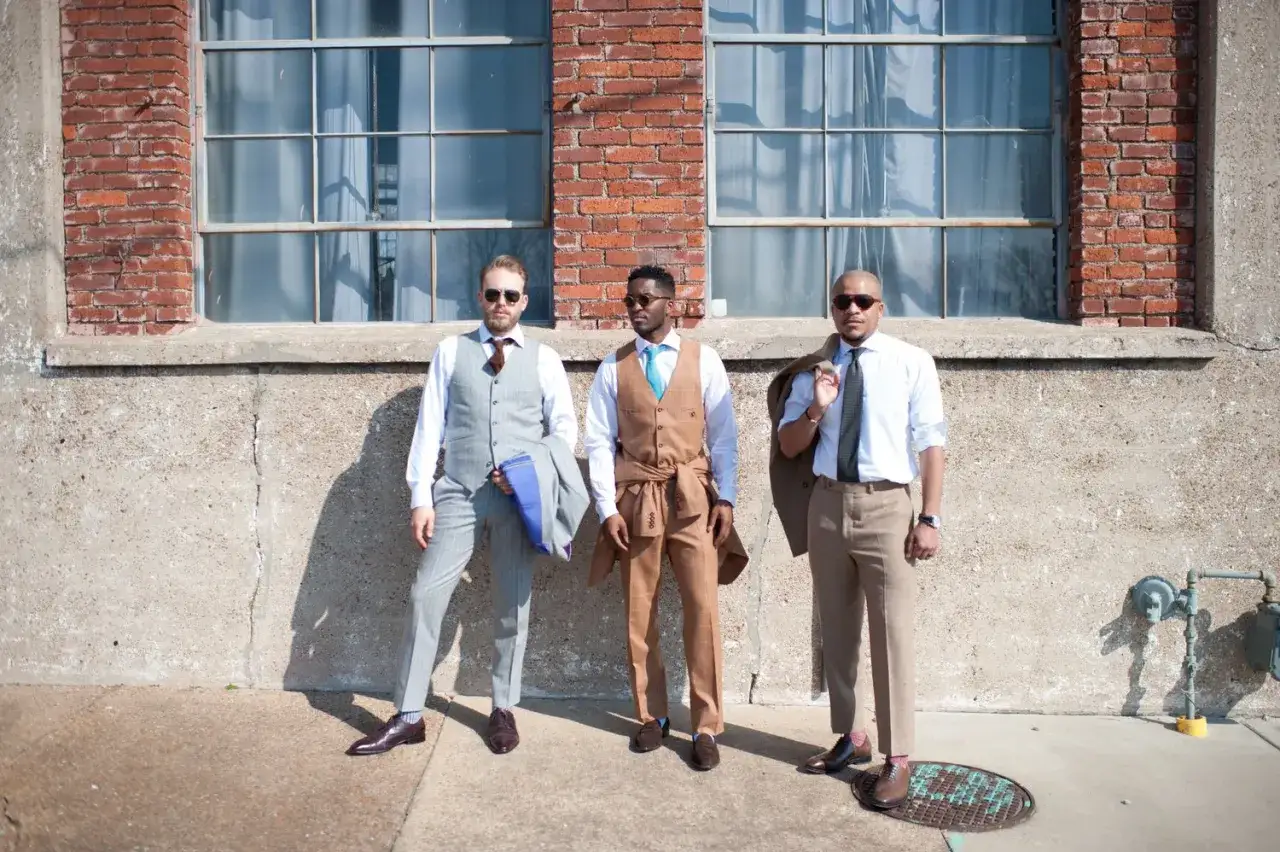
The outfit formula I’d trust every time
| Component | Best choice | Why it works | Smart alternative |
|---|---|---|---|
| Suit | Navy or charcoal single-breasted wool suit | Clean, versatile, and right for most evening events | Dark blazer with tailored trousers for a looser venue |
| Shirt | White or pale blue cotton shirt | Crisp under evening light and easy to pair | Very fine stripe or subtle texture if the event is more expressive |
| Tie | Silk tie in navy, burgundy, or dark green | Adds structure without shouting | Grenadine tie, which uses a textured open weave for depth |
| Shoes | Black cap-toe Oxfords or dark brown derbies | Formal, polished, and reliable | Leather loafers for a more relaxed cocktail setting |
| Extras | White pocket square, slim watch, matching belt | Enough detail to look finished without clutter | Cufflinks if the shirt has French cuffs |
Poplin, a smooth tightly woven cotton, is one of the easiest shirt fabrics for this dress code because it stays crisp and looks clean next to wool tailoring. If you want a little more interest, choose a tie with texture rather than a louder pattern. That is the kind of detail that looks considered instead of trying too hard.
If I were buying from scratch in the UK, I would budget roughly £350-£900 for the whole outfit, depending on whether I already owned shoes and whether tailoring is needed. The smartest money is usually spent on fit: a mid-range suit with proper alterations often looks better than an expensive suit worn straight off the rail. Once the silhouette is right, colour and fabric become much easier to handle.
Colours and fabrics that look right in 2026
The strongest cocktail looks in 2026 lean toward restraint, texture, and softer tailoring rather than glossy fabric or hyper-tight cuts. I am seeing more navy, more charcoal, and a more confident use of brown, but the overall effect is still controlled. The point is not to look trendy; it is to look finished.
| Colour or fabric | Best use | My take |
|---|---|---|
| Navy | Most cocktail events | The safest and most versatile choice, especially in British evening light. |
| Charcoal | Formal dinners and winter parties | More serious than navy, but very effective when the room is dark or elegant. |
| Deep brown | Fashion-forward or autumn events | Modern if the cut is clean and the shoes are chosen carefully. |
| Mid-grey | Daytime cocktail events | Lighter and easier in spring or summer, but it needs sharp accessories. |
| Worsted wool | Year-round | Smooth, crisp, and the easiest fabric to wear well. |
| Flannel | Autumn and winter | Brushed texture gives depth without looking heavy. |
| Hopsack | Warmer weather | An open-weave wool that breathes well and feels a little more relaxed. |
| Linen blend | Laid-back summer settings | Cool, but prone to creasing, so it only works when the event is less formal. |
Small checks, birdseye textures, and herringbone can all work, but only when the rest of the outfit is quiet. If the venue is formal, a plain cloth still does most of the heavy lifting. My rule is simple: the more relaxed the setting, the more texture you can allow; the more formal the room, the calmer the fabric should be.
That balance becomes even more important once you get to shoes and accessories, because those are the details that people notice after the suit itself.
Shoes and accessories that finish the look
Shoes are where many otherwise solid cocktail outfits fall apart. I would always rather see a good suit with proper leather shoes than an expensive suit paired with casual footwear. The same logic applies to accessories: every extra piece should earn its place.
- Black Oxfords are the safest and sharpest choice for formal cocktail events.
- Dark brown derbies work beautifully with navy, charcoal, and brown tailoring.
- Loafers can work, but they need to be sleek, polished, and clearly intentional.
- Chelsea boots are a good winter option if the trouser leg is slim and clean.
- A belt should match the shoe, or at least live in the same colour family.
- Socks should disappear; match them to the trouser rather than making them the focal point.
- A watch should be slim, not a chunky sports piece that drags the outfit down.
- A pocket square should complement the tie, not copy it exactly.
If you want a strong but understated finish, a leather-strap dress watch is usually enough. A shiny diver or a heavy bracelet watch can work with a looser look, but it is rarely the best choice for cocktail dressing. The same is true of cufflinks and tie clips: use them when they support the outfit, not because you feel obliged to fill space.
Once the shoes and accessories are sorted, the most common mistakes become much easier to spot.
The mistakes that date a cocktail outfit fast
- Wearing a tuxedo without black tie on the invite. It usually looks too formal and slightly misread.
- Replacing trousers with jeans. Even dark denim often reads too casual for a cocktail setting.
- Using trainers as a style shortcut. Expensive trainers are still trainers.
- Choosing a shirt that is too shiny, too tight, or too patterned. The shirt should support the suit, not compete with it.
- Matching the pocket square to the tie exactly. That tends to look staged rather than polished.
- Ignoring fit at the shoulders and hem. Fit is the difference between looking intentional and looking borrowed.
- Overdoing fragrance or accessories. Cocktail dressing works best when the outfit is doing the speaking.
The irony is that these mistakes usually come from trying to look more stylish. In cocktail dressing, restraint is usually the stronger move. If one element is already making a statement, the others should calm down rather than join the argument.
That is why real-world outfit examples help more than abstract rules, especially when the invite does not spell everything out.
Three looks I’d actually wear
| Setting | Outfit | Why it works |
|---|---|---|
| Formal city cocktail reception | Navy suit, white shirt, burgundy silk tie, black Oxfords, white pocket square | It is the most reliable formula: elegant, balanced, and appropriate in almost any room. |
| Gallery opening or relaxed bar | Charcoal blazer, grey wool trousers, pale blue shirt, dark brown derbies | It feels tailored without looking corporate, which is useful when the crowd is more creative. |
| Winter evening in the UK | Charcoal or chocolate flannel suit, ecru shirt, knitted tie, Chelsea boots or Oxfords | Texture does the work here, and the darker palette fits the season and the light. |
| Summer terrace drinks | Lightweight navy or mid-grey suit, white shirt, loafers, understated tie or open collar if the invite is relaxed | It stays cool while still reading as proper evening wear rather than office clothing. |
If the event feels fashion-led, I might soften the tie or choose a more textured jacket. If it feels formal, I keep the shirt crisp and the shoes traditional. The room decides how far you can push it, not the other way around.
Before I leave, I run one last check on the whole outfit, because that final pass catches the things people notice immediately and you stop noticing yourself.
The final five-minute check before you leave
- Shoulders and closure: the jacket should sit cleanly and close without strain.
- Trouser length: aim for one neat break or a very clean no-break hem.
- Shirt collar and cuffs: the collar should sit comfortably and the cuffs should show just enough.
- Shoes: polish them, then polish them again if the event is important.
- Outerwear: a clean overcoat or tailored mac is better than throwing on something casual.
- Fragrance: keep it light; the outfit should be noticed before the scent is.
My default rule is simple: when the invitation is ambiguous, dress one notch sharper than the room and keep everything else restrained. That is usually the difference between looking appropriate and looking as if you guessed. If you get the suit, shirt, and shoes right, the rest becomes a matter of discipline rather than luck.