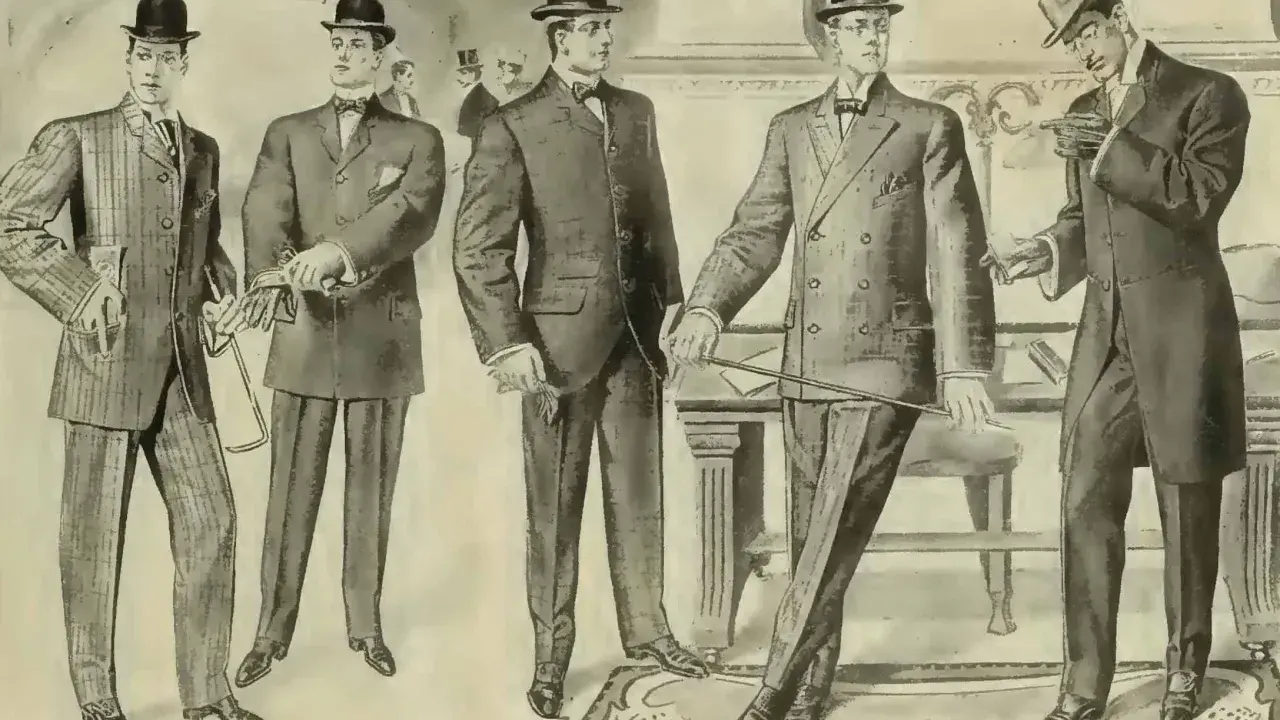
The quickest way to get cocktail attire right
- A suit is the default in the UK, especially for weddings, evening dinners and formal parties.
- Navy and charcoal are the safest colours because they read polished without looking severe.
- A white or pale blue shirt works best; a tie is optional only when the invite feels relaxed.
- Leather Oxfords or derbies are the most dependable shoes, with loafers reserved for softer settings.
- Fit beats label every time: shoulder line, sleeve length and trouser break decide whether the look feels sharp.
What cocktail attire means for men in the UK
In British settings, cocktail attire is an evening dress code with structure. I read it as a step above business wear and one step below black tie, which means a tailored suit is the safest starting point. If the invitation is vague, assume the host expects you to look polished enough for a wedding reception, private dinner or smart city event.The useful part of the code is that it gives you room to choose tone. A navy suit, for example, feels confident without being severe, while charcoal sharpens the silhouette for more formal venues. A lounge suit can overlap with the category, but cocktail dressing asks for a cleaner, more evening-ready finish. What you should not do is treat it as an excuse to dress down; once you add trainers, an open collar and a casual jacket, you are no longer in the right territory.
That baseline matters because the next question is where cocktail attire sits relative to the dress codes people confuse it with.
Cocktail attire versus semi-formal and black tie
If the invite only gives you a label and nothing else, this is the comparison I use.
| Dress code | What it usually means | My safest reading | How much room you have |
|---|---|---|---|
| Cocktail attire | Tailored evening dress between smart casual and black tie | Suit, shirt and leather shoes | Moderate, with room for texture and colour |
| Semi-formal | Close to cocktail, often slightly looser | Suit or blazer-and-trouser combination | A little more relaxed |
| Black tie | Tuxedo territory | Evening jacket, formal shirt, bow tie and patent shoes | Very little |
That line matters because many men over-dress or under-dress by one step, and both mistakes are visible. Once you understand the gap, choosing the actual outfit becomes straightforward.
The outfit formula I trust first
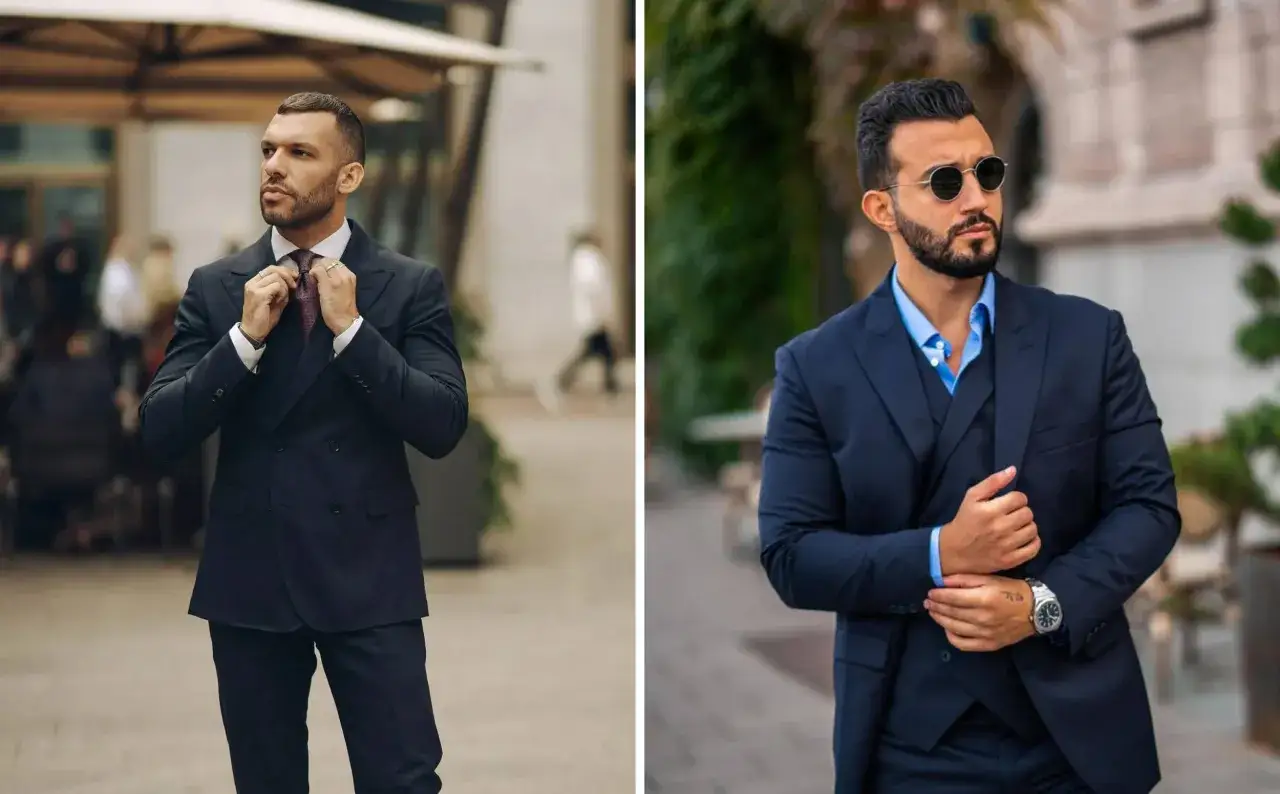
If I had to build one dependable look, I would start here: a single-breasted navy or charcoal suit, a crisp shirt and polished leather shoes. From there, texture and colour can move the outfit towards formal or relaxed, but the structure stays the same.
- Navy suit, white shirt, dark tie and black Oxfords. This is the cleanest answer for weddings and more formal evening events. It is hard to overdo and almost impossible to misread.
- Charcoal suit, pale blue shirt and burgundy tie. A touch softer, slightly moodier and ideal when you want to look current without chasing a trend.
- Textured blazer with matching or tonal trousers. This works when the invitation is clearly cocktail, but not especially strict. The trick is to keep the shirt and shoes refined so the outfit still feels intentional.
A double-breasted suit can work too, but I would keep it simple and well fitted; the code rewards clarity more than bravado. I would only remove the tie if the host or venue clearly signals a relaxed setting. Otherwise, the tie does quiet but useful work: it closes the look and makes the outfit read as deliberate.
Once the base formula is set, the details of each component become much easier to judge.
How to choose the right pieces
Here is the part where most mistakes happen. Men often buy the right category of clothing but miss the right level of formality, fabric or fit.
| Piece | Best choice | Avoid | Why it matters |
|---|---|---|---|
| Fit | Clean shoulders, correct sleeve length and a slight trouser break | Pulling at the button, sleeve overflow and pooling hems | Fit is what makes the outfit look expensive |
| Suit | Mid-weight wool in navy, charcoal or deep brown | Shiny fabrics, loud checks and overly skinny cuts | It keeps the look elegant and seasonless |
| Shirt | White, ivory or pale blue with a neat collar | Busy prints, oversized collars and linen that wrinkles too fast | It frames the face and keeps the outfit clean |
| Tie | Silk, grenadine or another matte texture | Novelty prints, ultra-thin ties and overpowering colours | It adds structure without stealing attention |
| Shoes | Black Oxfords first, derbies second, loafers only in relaxed settings | Trainers, chunky soles and worn-down heels | They ground the outfit and keep it formal |
| Accessories | White pocket square, slim leather-strap watch and minimal cufflinks | Oversized sports watches, loud lapel pins and too many rings | A few quiet details are enough |
If you want one rule to remember, choose texture before decoration. A lightly textured wool suit looks richer than a glossy one with extra accessories, and it usually ages better in photographs too. That leads neatly into how the same code shifts depending on the event.
How to adapt the code to the occasion
Cocktail attire is not one fixed outfit. The venue, time and host change the answer more than people expect.
- Wedding reception. I would stay closest to the classic formula: navy or charcoal suit, white shirt, tie and proper leather shoes. If the wedding is in a conservative venue or church-linked setting, keep the look especially clean.
- Work party or corporate drinks. Err on the side of restraint. A suit in a solid colour usually beats anything too fashion-forward, because the goal is to look composed rather than attention-seeking.
- Smart restaurant or members’ club. This is where a textured blazer, dark trousers and a slightly softer tie can work well. You can add personality, but not at the expense of line and polish.
- Summer event. Lighter wool or a wool-linen blend can breathe better, but I would avoid anything too wrinkled. In a British summer, the room may be warm while the journey there is not, so versatility matters more than pure lightweight dressing.
If the invite is still ambiguous, I usually choose the more formal reading. It is easier to relax a sharp outfit than to rescue one that felt too casual from the start.
The mistakes that make it look careless
- Confusing cocktail with smart casual. An open-neck shirt, casual jacket and trainers can slide you out of the dress code immediately.
- Going full black tie by accident. A tuxedo looks fantastic when it is asked for, but it can read as overplayed at a cocktail event.
- Choosing the wrong fabric. Shiny polyester and ultra-light cloth often look cheaper than they are. Mid-weight wool usually does the job better.
- Ignoring the shoes. Scuffed shoes are one of the fastest ways to make a good suit look unfinished.
- Over-accessorising. If the shirt, tie, pocket square, watch and jewellery all compete, nothing looks intentional.
- Leaving fit to chance. Sleeves that cover the cuff, trousers that puddle and jackets that pull at the button are small flaws with a big visual cost.
The fix is rarely complicated: simplify the outfit, sharpen the fit and remove one thing rather than adding another. That leads naturally to the finishing details that make the whole look feel composed.
The finishing details that make the outfit feel deliberate
For 2026, the smartest version of cocktail dressing is still restrained. I would rather see one quiet upgrade than three loud ones: a slim dress watch on leather, a neatly folded pocket square and a jacket that sits cleanly across the shoulders will do more for you than any trend-led flourish.
- Keep grooming neat, especially the hairline, facial hair and skin finish.
- Wear an overcoat that matches the formality of the suit; a proper wool coat beats a casual puffer every time.
- Choose fragrance lightly; cocktail attire should be felt before it is noticed.
- Carry yourself like you planned the outfit, because in practice that is what people remember.
When you start with a well-cut suit, match the shirt and shoes to the venue and keep the finishing touches disciplined, cocktail attire becomes one of the easiest dress codes to get right.